On this page
Why hook and loop selection matters in medical devices
Hook and loop fasteners appear in a wide range of medical products: orthopedic braces, blood pressure cuffs, patient positioning aids, wearable monitors, hospital bed accessories and disposable device components. In each case, the fastener is not merely a convenience feature. It affects patient comfort, device adjustability, cleaning outcomes, assembly reliability and regulatory compliance. Browse vertical fastening solutions for regulated healthcare programmes.
Unlike industrial applications where a failed closure may cause inconvenience, a poorly specified medical fastener can contribute to skin irritation, premature device failure, contamination risk or field complaints. Medical device OEMs therefore need a structured selection process that goes beyond width and color.
The starting point is always the intended use. Is the fastener part of a patient-worn textile? Does it contact intact skin? Will it be laundered, wiped with disinfectant or sterilized? How many times must the closure open and close during the product life? Answers to these questions determine material, construction and attachment format.
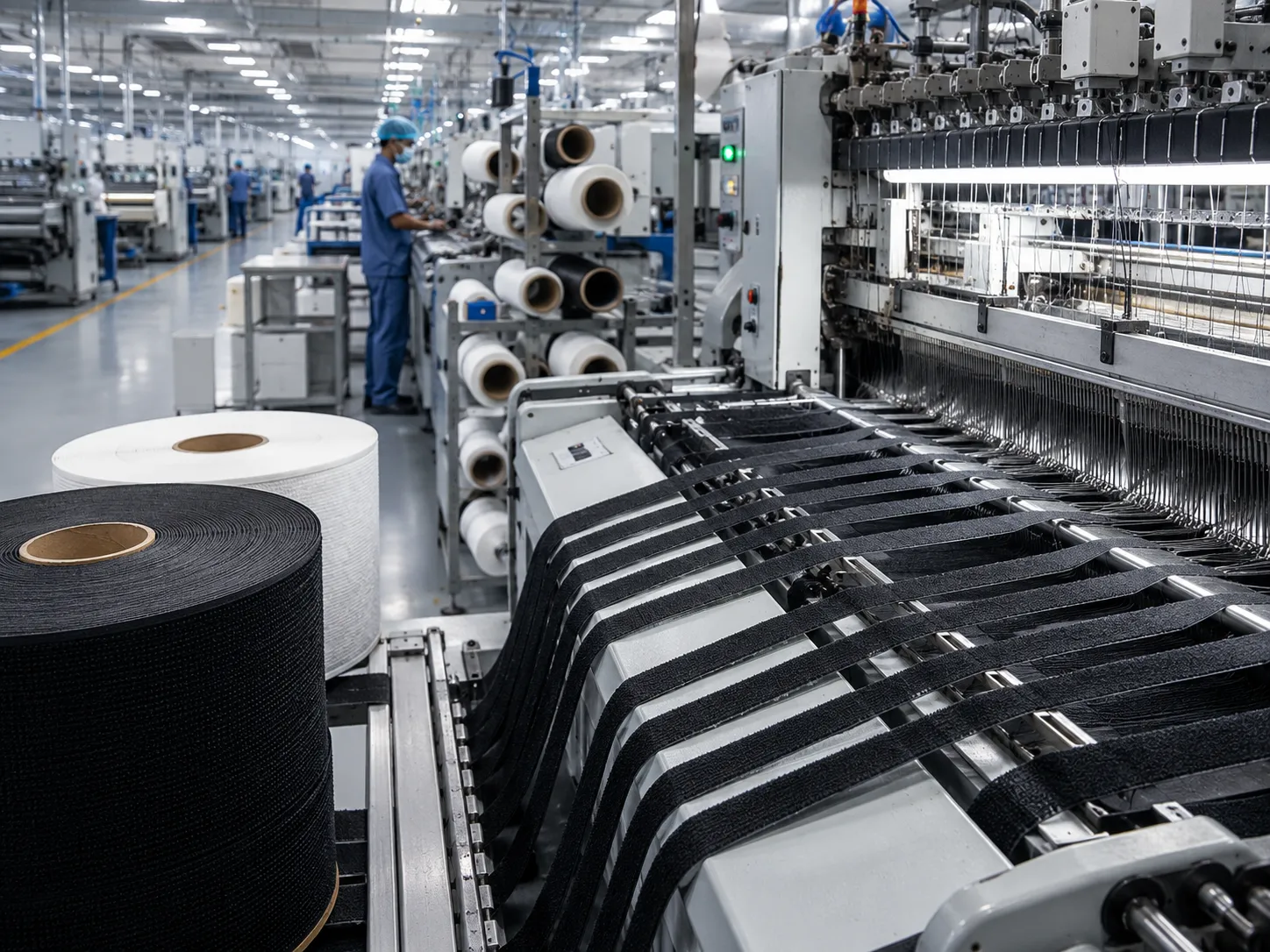
Biocompatibility considerations
Biocompatibility means the material does not produce unacceptable biological response when used as intended. For hook and loop in medical devices, this includes the textile fibers, backing, dyes, finishes, adhesive layers and any processing residues that could migrate to skin or wound-adjacent areas.
ISO 10993 provides the framework most OEMs reference. The exact tests required depend on contact duration and contact type: surface contact, intact skin, breached skin or indirect contact through a fluid path. A strap closure on a reusable brace worn for hours daily faces different requirements than an internal mounting pad inside a device housing.
Nylon and polyester hook and loop constructions are commonly used in medical textiles because they can be manufactured with controlled dye systems and without heavy chemical finishes. However, biocompatibility cannot be assumed from fiber type alone. The supplier should provide composition transparency, lot traceability and any available extractables or sensitization data relevant to your device class.
OEM teams should also evaluate whether the hook side, loop side or both contact the patient. Molded hooks and brushed loop surfaces behave differently in comfort and irritation testing. Soft loop constructions are often preferred for direct skin contact because they reduce abrasion during repeated adjustment.
Skin contact and patient comfort
Skin-contact applications demand more than adequate peel strength. The loop surface must feel smooth during wear and adjustment. The hook profile should engage securely without creating pressure points. Edge finishing matters too: raw-cut tape edges can fray and irritate skin over time, which is why many medical programs specify sewn hems, ultrasonic sealing or die-cut parts with controlled edge treatment.
Hypoallergenic performance is frequently requested in healthcare procurement, but the practical specification is usually low-sensitization material selection combined with validated cleaning instructions. Latex-free construction is standard in modern medical textiles. OEMs should confirm that adhesives, backings and packaging materials are also free from known sensitizers if the product is patient-worn.
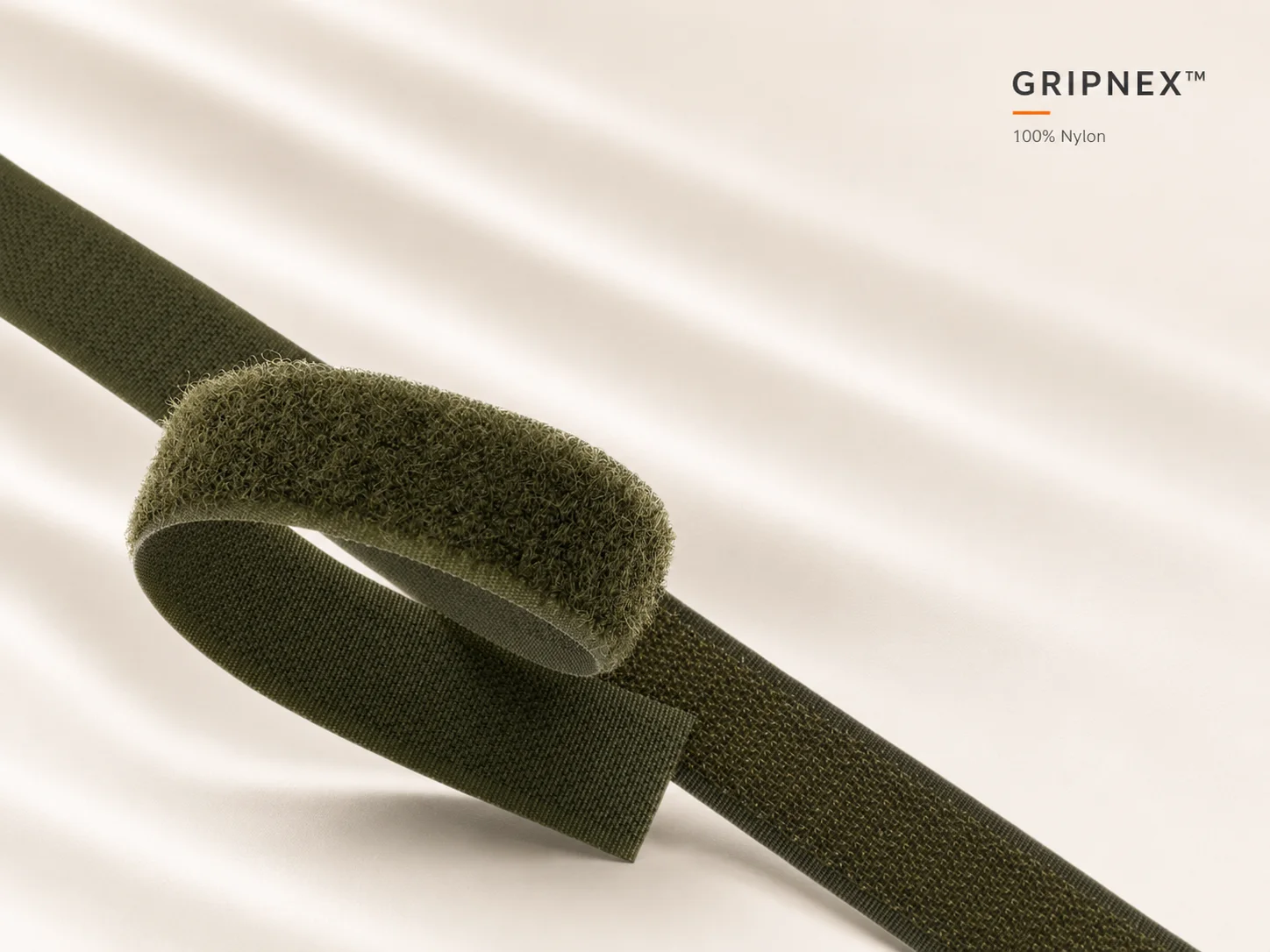
Moisture management is another factor. Patient-worn closures may be exposed to perspiration, topical antiseptics or wound drainage depending on placement. Materials that retain moisture can affect comfort and hygiene. Nylon loop constructions such as Gripnex are often selected where a softer hand and consistent engagement are needed on adjustable medical straps.
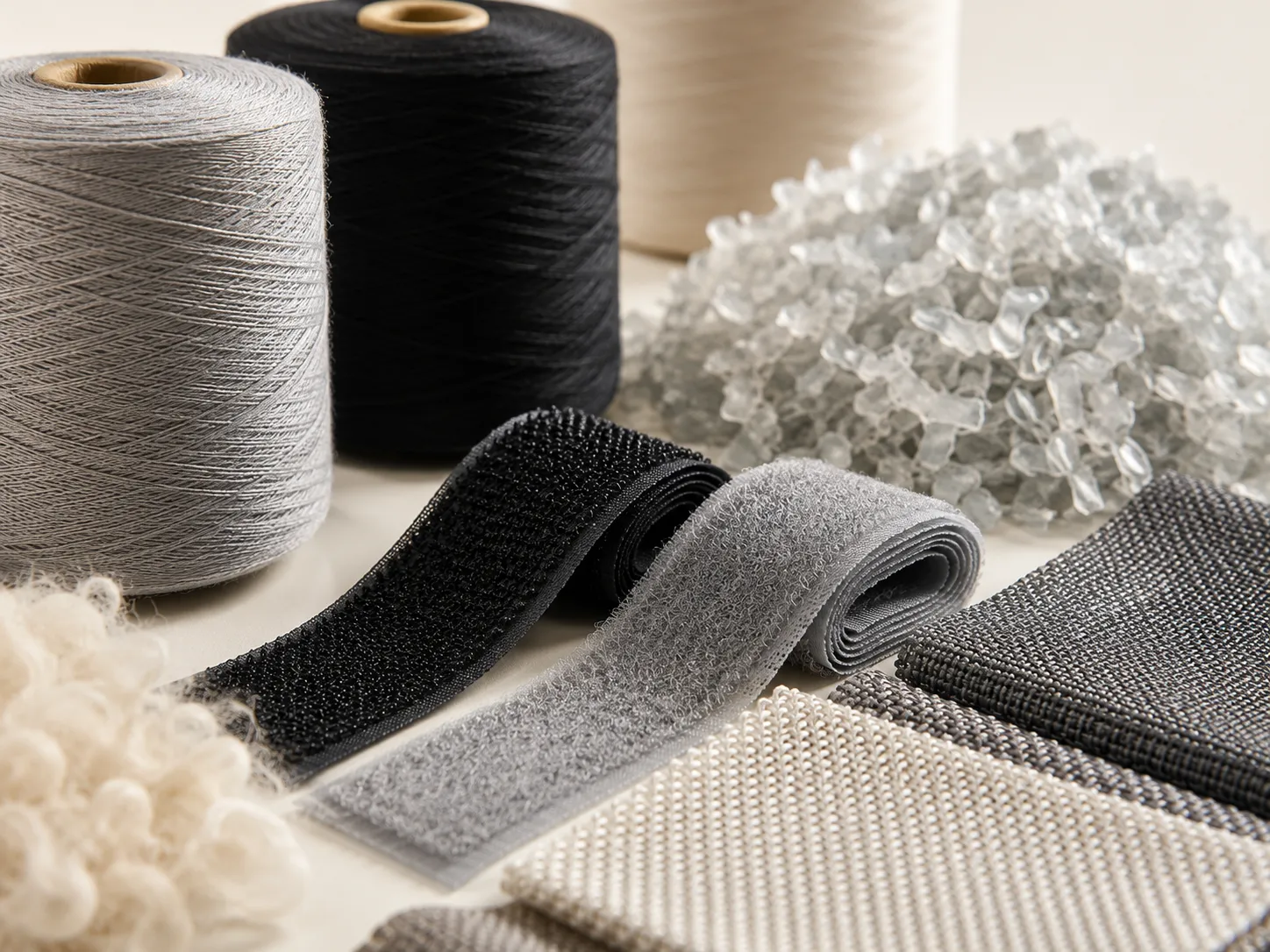
Sterilization and washing compatibility
Medical devices follow many cleaning and sterilization paths. Reusable textile products may be machine-washed and tumble-dried. Some components are wiped with hospital-grade disinfectants. Others pass through autoclave, ethylene oxide or gamma sterilization depending on device classification and material limits.
Sew-on hook and loop generally tolerates repeated laundering better than adhesive-backed formats. High wash temperatures, aggressive detergents and mechanical action can weaken adhesive bonds or cause edge lift. For reusable patient-worn products, sew-on nylon or nylon-polyester blends are usually the safer default.
Sterilization exposure can affect hook stiffness, loop loft and engagement force. Gamma sterilization may be suitable for many textile fasteners, but OEMs should verify post-sterilization peel and shear performance against their acceptance criteria. Autoclave conditions are more demanding and may not be appropriate for all hook and loop constructions or laminated assemblies.
Document the cleaning and sterilization method in your component specification. A tape that performs well after 50 domestic wash cycles may not be the right choice for daily hospital laundering at higher temperatures. Validation should mirror the instructions for use you will publish.
Cycle life and engagement performance
Cycle life is the number of reliable open-close cycles a fastener must deliver before engagement drops below acceptable limits. Medical applications range from single-use disposable closures to braces adjusted multiple times per day for months.
Hook density, hook height, loop construction and mating pressure all influence cycle life. Higher hook density can increase initial peel strength but may feel more aggressive on skin-contact loop surfaces. For adjustable medical straps, many OEMs prioritize consistent closure force across hundreds of cycles rather than maximum initial grip.
Contamination affects cycle life in clinical environments. Lint, skin oils and cleaning residues can accumulate in the loop surface and reduce engagement. Designs that allow inspection and cleaning of the closure area often outperform designs that trap debris at the mating interface.
When writing an OEM specification, state the minimum required cycle count, the test method and the acceptable peel-force range at end of life. This gives the supplier a measurable target and reduces the risk of field failures after launch.
Sew-on vs adhesive hook and loop for medical devices
The sew-on versus adhesive decision is one of the most important choices in medical fastening. Each format serves different device architectures and risk profiles.
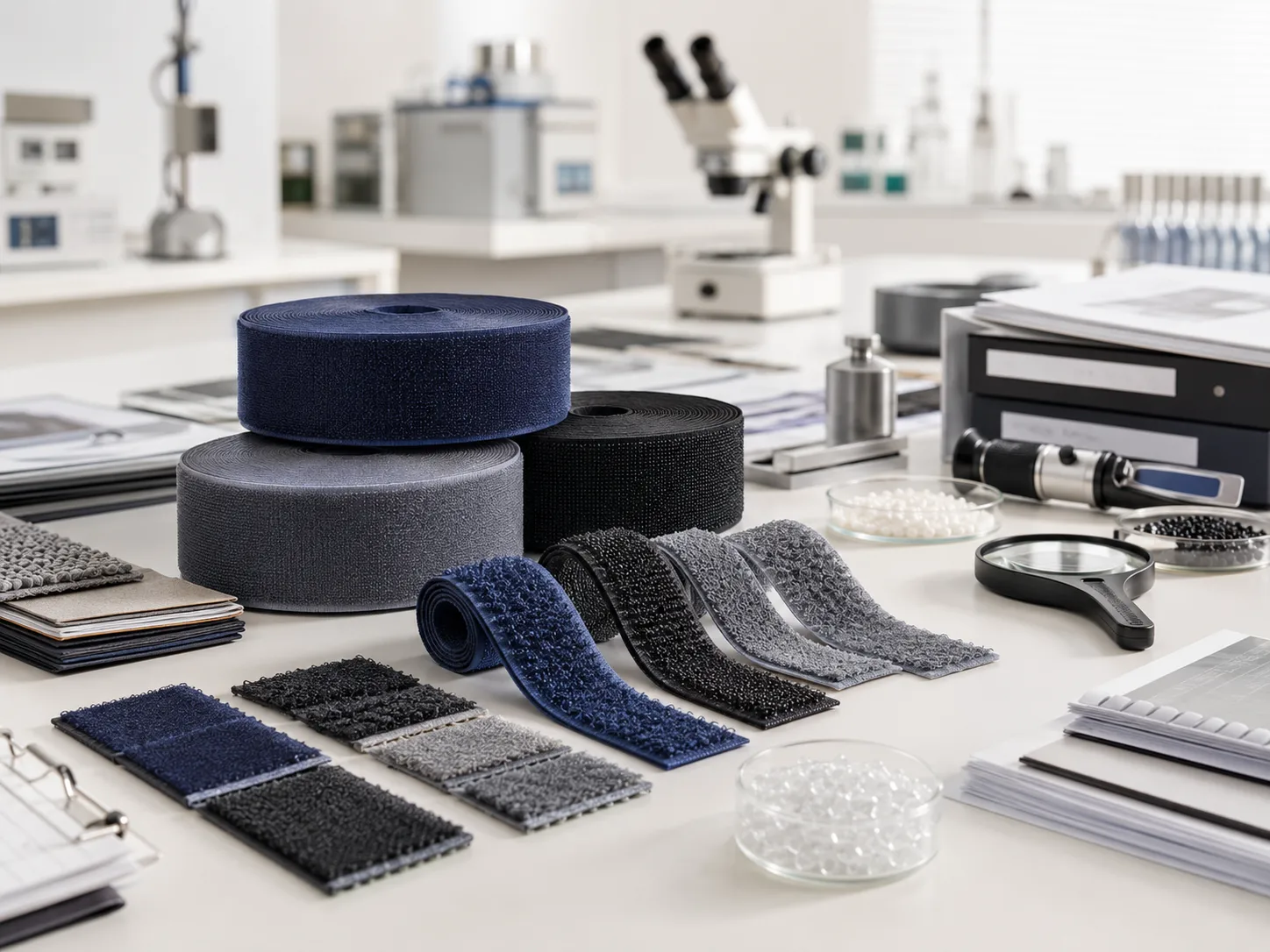
Sew-on Hook & Loop
Adhesive Hook & Loop
Well suited to patient-worn straps, braces and textile-based medical accessories.
Best limited to non-skin-contact or indirect-contact mounting where adhesive safety is validated.
Mechanical attachment survives repeated laundering better than most adhesive bonds.
May show edge lift or bond loss under wash, disinfectant or heat exposure.
Premium nylon sew-on grades support long-life adjustable closures.
Can be adequate for shorter-life or disposable applications with lower cycle demand.
Requires sewing capacity and seam design control.
Peel-and-stick application can simplify assembly on compatible rigid substrates.
Reusable braces, cuffs, positioning straps, orthotics and washable hospital textiles.
Internal pads, housing mounts, disposable panels and accessory attachment on validated substrates.
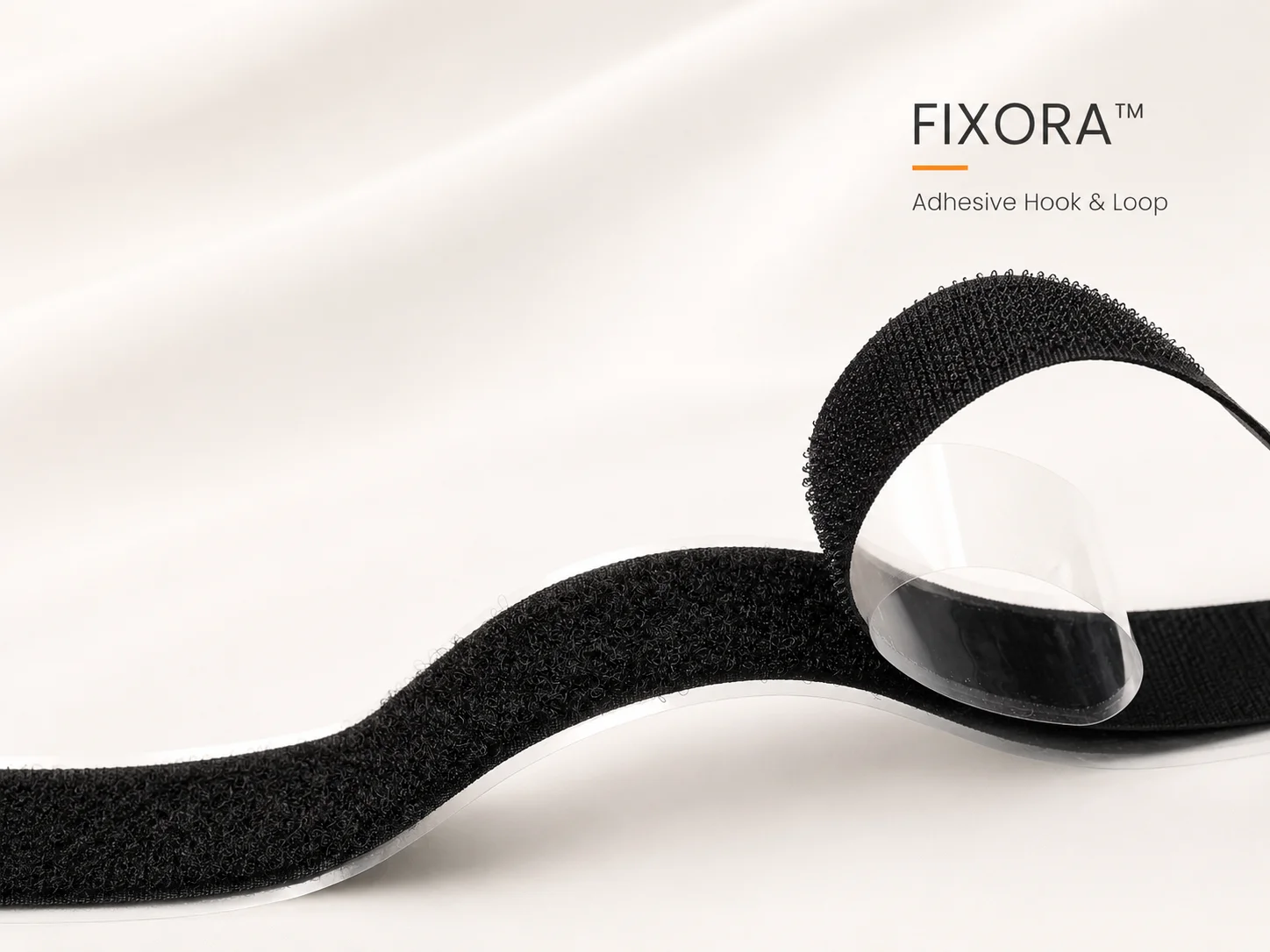
For most patient-worn medical products, sew-on hook and loop remains the default. Adhesive hook and loop becomes attractive when the substrate is rigid, the component is disposable or the closure is not exposed to heavy wash or skin-contact requirements. In those cases, products such as Fixora can support efficient assembly if bonding is validated on the actual production substrate.
Regulatory documentation and supplier qualification
Medical device quality systems require component traceability and change control. Hook and loop suppliers should be qualified like any other critical material source. At minimum, OEM teams should request a material specification sheet, composition statement, lot numbering method and certificate of conformity for each shipment.
Depending on device class and market, additional documentation may be required: biocompatibility summaries, adhesive safety data sheets, country-of-origin records, RoHS or REACH declarations and notification procedures for material changes. If the fastener includes pressure-sensitive adhesive, the adhesive chemistry must be evaluated separately from the textile because it may dominate the biological risk profile.
Regulatory pathways differ by region. FDA-bound OEMs often map hook and loop into device master records and supplier controls under 21 CFR Part 820. EU MDR programs emphasize technical file evidence and post-market traceability. Regardless of market, the principle is the same: the fastener specification must be defensible in audit and inspection.
Change notification is especially important for long-life medical programs. A dye change, adhesive reformulation or backing substitution can affect biocompatibility, sterilization results or cycle life. Contract terms should require advance notice and, where appropriate, revalidation support before changes enter production lots.
OEM specification checklist
A complete hook and loop specification reduces sourcing ambiguity and shortens validation time. Medical device teams should document the following before requesting samples or production quotes.
1. Contact classification. State whether the fastener has direct skin contact, indirect contact or no patient contact. This drives biocompatibility scope and material restrictions.
2. Material and construction. Specify sew-on or adhesive format, fiber blend, hook type, loop type, width, thickness, color and any edge finishing requirement.
3. Performance targets. Define minimum peel strength, shear requirement if relevant, cycle life target and acceptable performance after aging, washing or sterilization.
4. Process compatibility. Include washing temperature, detergent type, disinfectant exposure, sterilization method and any manufacturing steps such as ultrasonic welding or heat sealing near the fastener.
5. Regulatory market. Identify target regions and required documentation so the supplier can align certificates and change-control processes with your quality system.
6. Packaging and labeling. Specify roll length, die-cut format, part marking, bag labeling and storage conditions if the material is humidity- or temperature-sensitive.
Walonium product recommendations for medical OEMs
Walonium manufactures hook and loop tapes used across medical, healthcare and industrial OEM programs. For medical device applications, product selection should follow the contact, wash and cycle-life logic described above.
For premium sew-on medical closures where soft loop feel, high cycle life and 100% nylon construction are priorities, evaluate Gripnex. It is suited to patient-worn straps, adjustable braces and applications where consistent engagement after repeated use matters.
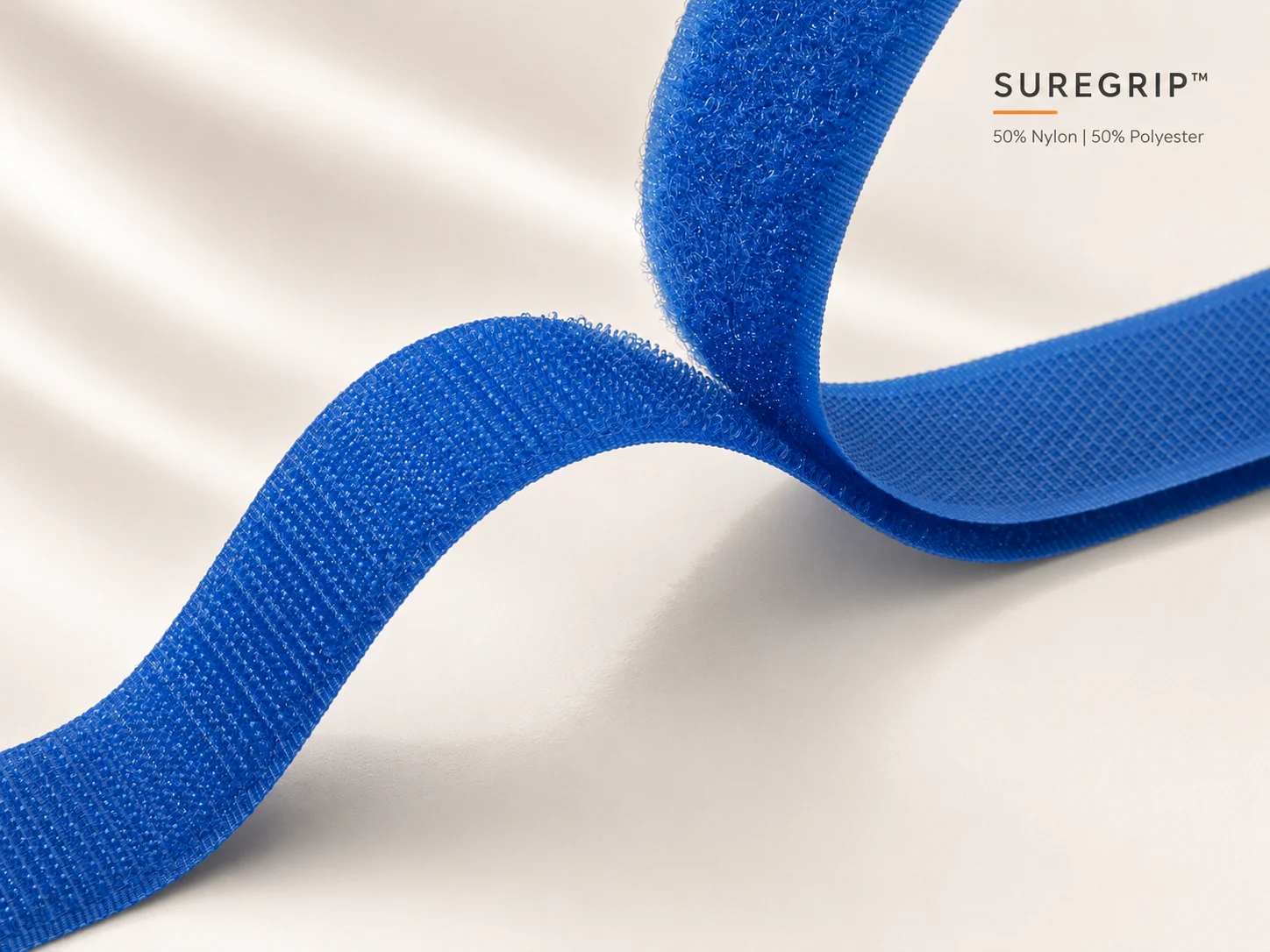
For balanced performance at scale, evaluate Suregrip, a 50% nylon / 50% polyester sew-on tape that can serve moderate-duty medical closures where cost efficiency and reliable engagement must coexist.
For validated adhesive mounting on compatible substrates where skin contact is limited, evaluate Fixora. It supports peel-and-stick assembly for internal mounting, accessory attachment and disposable device formats where sewing is not practical.
Medical application examples
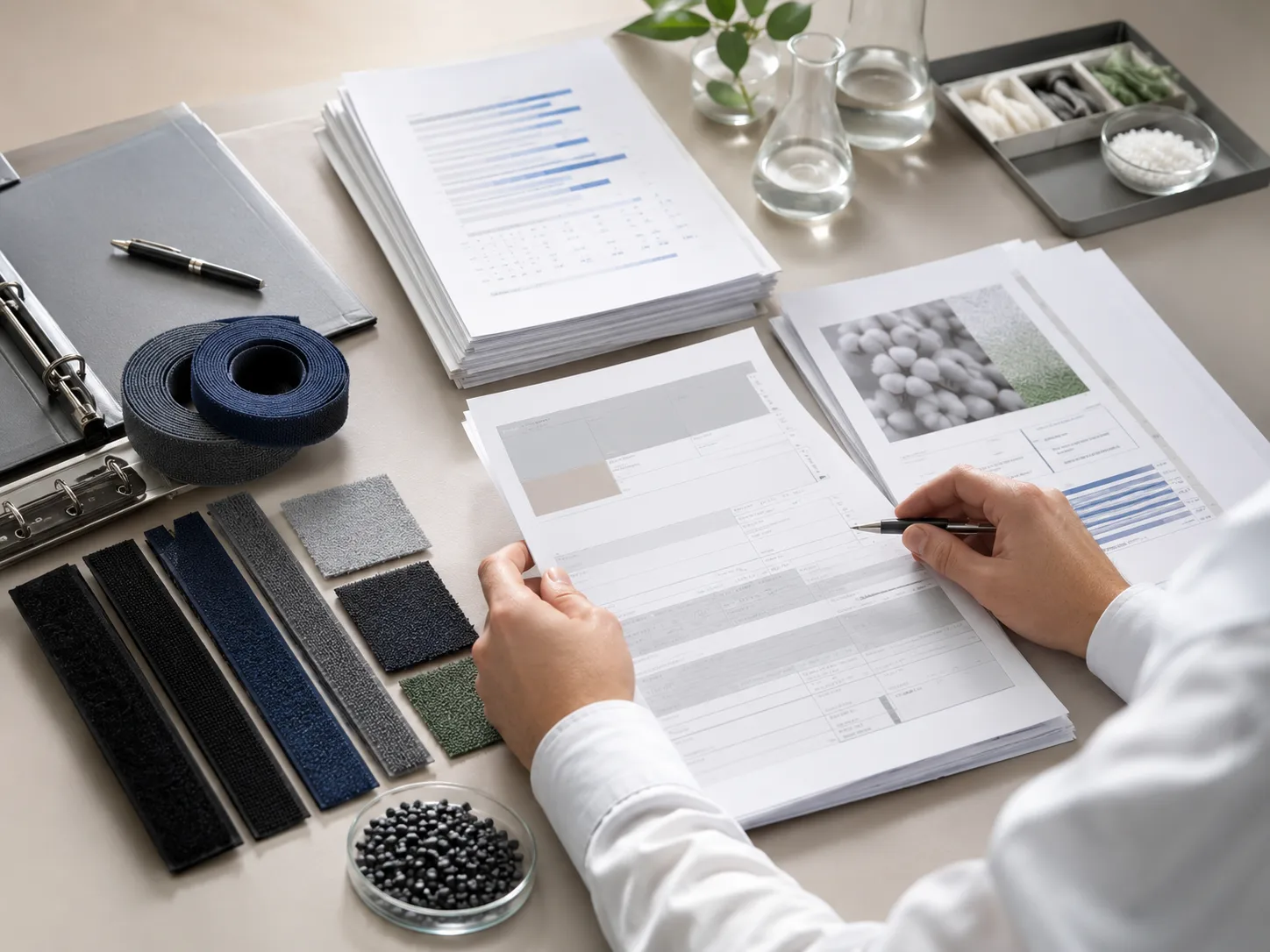
Braces and supports
Sew-on hook and loop enables adjustable fit, repeated donning and doffing, and washable strap systems.
Cuffs and wearable straps
Soft loop surfaces and controlled peel force improve comfort on blood pressure cuffs and sensor bands.
Bed and positioning aids
Washable sew-on fasteners support reusable hospital accessories exposed to frequent laundering.
Mask and harness adjustment
Reliable engagement and cycle life help maintain fit during repeated adjustment and cleaning.
Orthotics and gait aids
Adjustable closures allow therapists to refine fit without tools during patient sessions.
Internal mounting pads
Adhesive hook and loop can secure pads or panels on validated rigid substrates inside device housings.
Single-use closures
Lower cycle-life adhesive formats may be acceptable where the product is discarded after limited use.
Common selection mistakes in medical programs
The first mistake is treating hook and loop as a generic consumable. Medical devices need controlled specifications with validation evidence, not off-the-shelf choices based on width alone.
The second mistake is ignoring sterilization and cleaning realities. A tape that performs well in a dry assembly room may fail after hospital laundering, disinfectant wiping or gamma exposure.
The third mistake is specifying adhesive hook and loop for direct skin-contact straps without full biological risk assessment. Adhesives introduce a separate compliance layer that may complicate approval unnecessarily.
The fourth mistake is omitting cycle-life targets. Without a defined open-close requirement, suppliers cannot confirm whether a construction is over-engineered or under-specified for the finished device.
Buying advice for medical device procurement teams
When requesting a quotation, share the device type, contact classification, substrate, wash or sterilization method, expected cycle life, width, color, format and regulatory market. A complete brief leads to faster sample selection and fewer validation loops.
Request production-representative samples on the actual strap or substrate, then test after the full cleaning or sterilization sequence you intend to publish. Engagement force, edge integrity and surface feel can all shift after processing.
Think in total device risk, not unit price alone. The right hook and loop specification can reduce complaints, rework, supplier change events and post-market investigation burden. That value often exceeds the material cost difference between commodity and qualified medical-grade constructions.
Key takeaways
Choosing hook and loop for medical devices requires a structured approach: define patient contact, validate biocompatibility in the finished device, match sterilization and washing methods, specify cycle life and select sew-on or adhesive format based on risk rather than convenience.
For Walonium buyers, the practical mapping is: Gripnex for premium sew-on medical closures, Suregrip for balanced sew-on performance, and Fixora for validated adhesive mounting where skin contact is limited.
Document the specification, qualify the supplier and test on the finished device before scaling production. In regulated medical programs, the right fastener is the one that survives validation, not just the one that ships fastest.
FAQ
What hook and loop fastener is best for medical devices?
The best fastener depends on skin contact, sterilization method and cycle life. Sew-on nylon hook and loop such as Gripnex is preferred for patient-worn straps and washable devices. Suregrip offers a balanced nylon-polyester option for moderate wash cycles. Adhesive formats like Fixora suit non-skin-contact mounting where validated bonding is acceptable.
Is hook and loop tape biocompatible for medical use?
Hook and loop can be suitable for medical applications when the textile construction, dyes, adhesives and finishing processes are specified for the intended contact type. Biocompatibility must be validated against ISO 10993 or equivalent standards for the finished device, not assumed from the tape alone.
Can hook and loop withstand medical sterilization and washing?
Yes, when the correct material and construction are selected. Nylon sew-on hook and loop generally tolerates repeated laundering and some sterilization methods better than adhesive-backed formats. Always confirm compatibility with your specific wash temperature, detergent, autoclave or gamma sterilization process before production.
Should medical devices use sew-on or adhesive hook and loop?
Use sew-on hook and loop for patient-worn products, washable textiles and applications requiring long cycle life. Use adhesive hook and loop for internal device mounting, disposable components or substrates where sewing is impractical, provided the adhesive is validated for the intended environment and contact level.
How many open-close cycles should medical hook and loop provide?
Cycle life requirements vary by device. Orthopedic straps and brace closures may need hundreds of cycles. Disposable or single-use applications need fewer. Specify expected cycle count, engagement pressure and contamination exposure so the supplier can recommend hook density, loop construction and material grade.
What regulatory documentation should OEMs request for medical hook and loop?
OEMs should request material composition data, biocompatibility test summaries where applicable, lot traceability, change-control notification, certificates of conformity and any adhesive safety data. Documentation should support the device risk classification and the regulatory pathway in target markets.
Which Walonium products are suited to medical device applications?
Gripnex 100% nylon sew-on tape is suited to premium patient-worn and washable medical applications. Suregrip offers a balanced nylon-polyester option for moderate-duty closures. Fixora adhesive hook and loop supports validated peel-and-stick mounting on compatible substrates where skin contact is not required.
What should medical device OEMs include in a hook and loop specification?
Include contact type, width, color, material blend, sew-on or adhesive format, expected cycle life, wash or sterilization method, substrate details, regulatory market and required documentation. A complete specification reduces sourcing risk and supports faster validation during device development.