On this page
The industrial shift toward reusable fastening
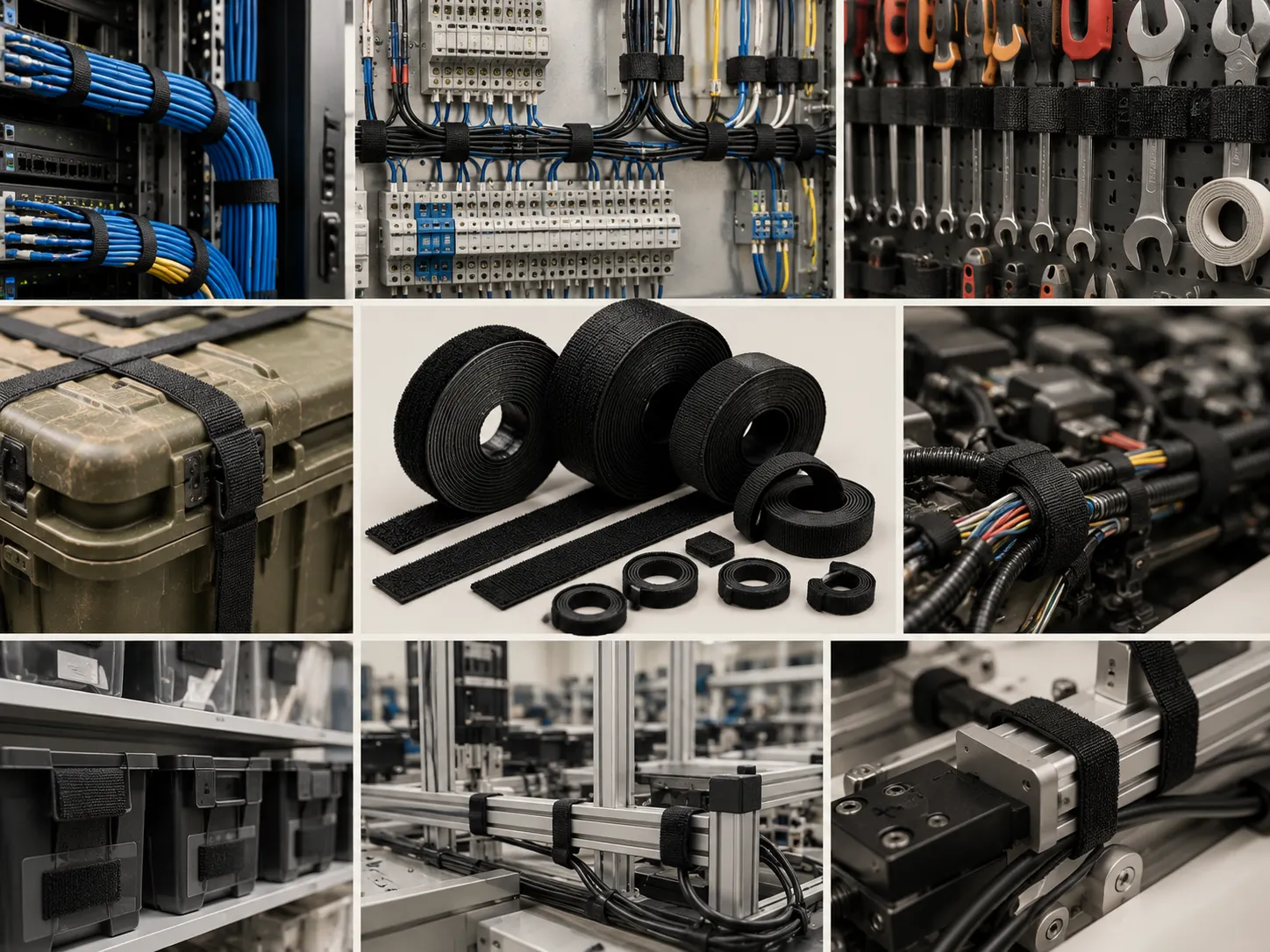
Industrial product teams are redesigning assemblies to reduce drilling, rivets, screws and permanent snaps wherever service access, weight reduction or field adjustability matter. Hook and loop fasteners—once associated mainly with apparel—now appear in automotive interiors, aerospace cabin components, industrial equipment panels, cable management and maintenance covers because they offer repeatable open-close cycles without tool-based disassembly. Compare sector guidance on our industry-specific solutions hub.
Unlike one-time mechanical fasteners, hook and loop supports planned rework: technicians open a panel, service a module and re-close without new hardware or hole damage. That reusability lowers warranty labor, reduces scrap during upgrades and helps OEMs meet sustainability targets by simplifying component separation at end of life. The shift is not universal—high-vibration or extreme-temperature zones still need mechanical retention—but hybrid designs increasingly combine hook and loop with locators or secondary clips.
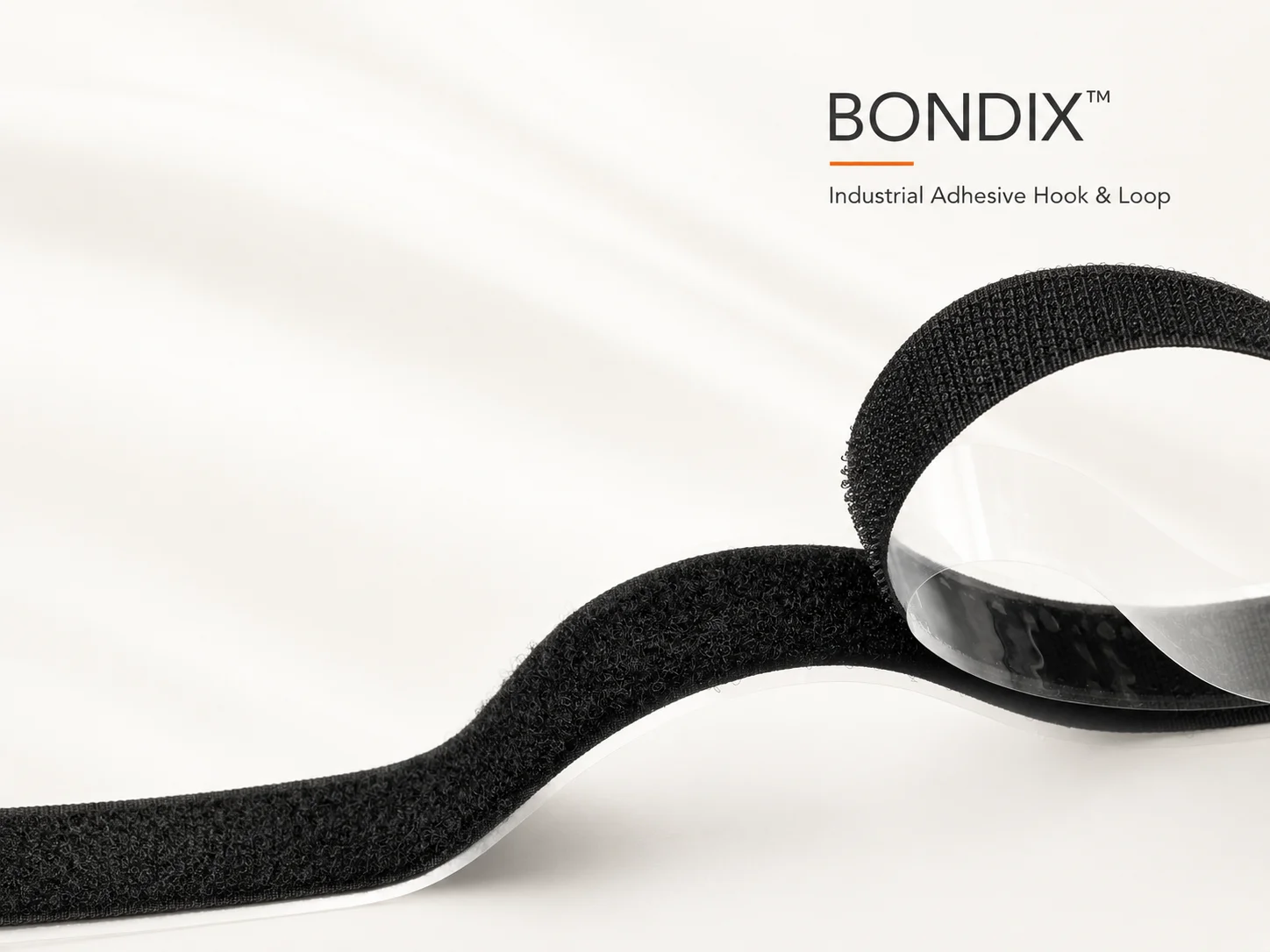
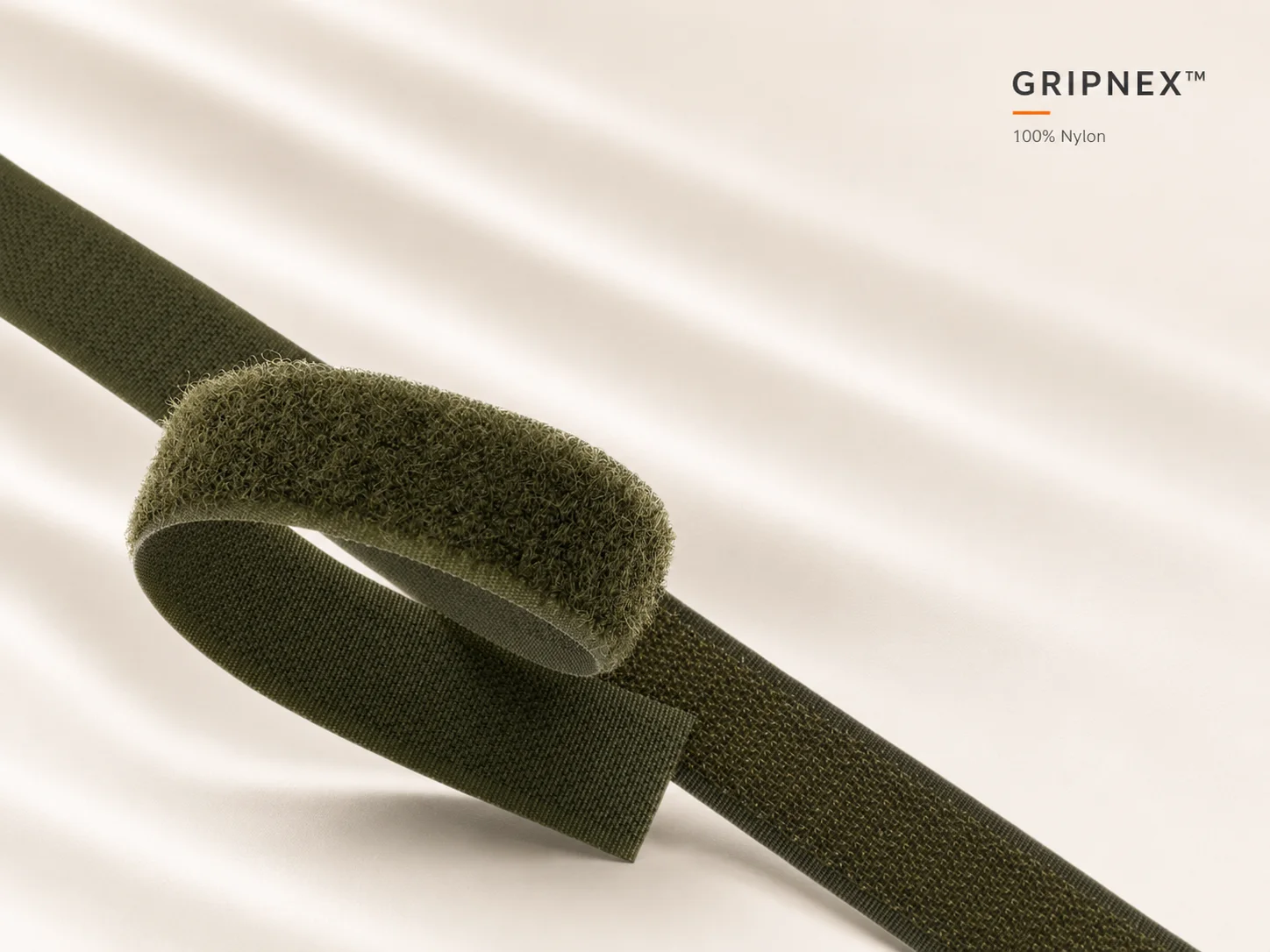
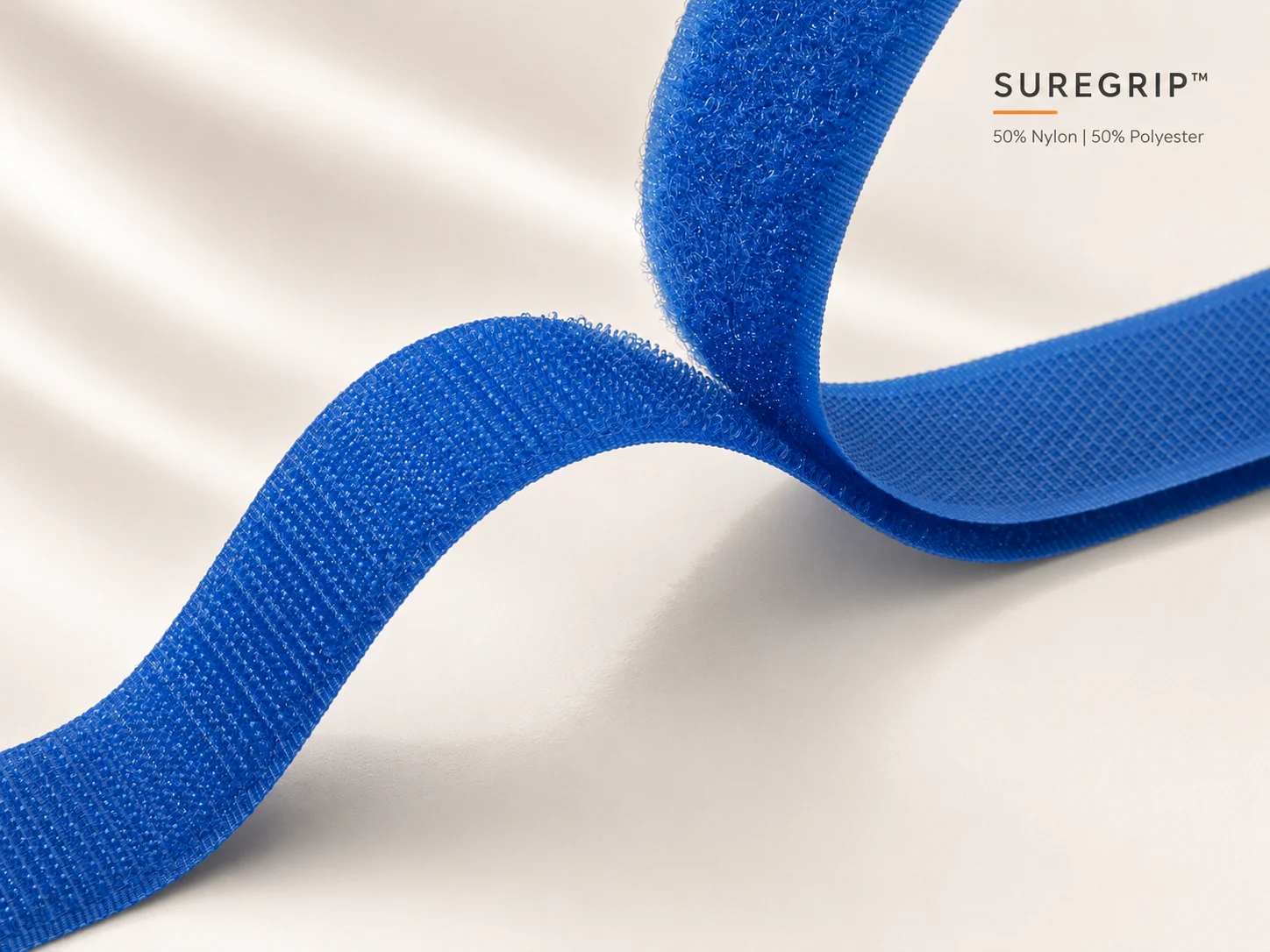
Walonium industrial buyers often pair Bondix adhesive hook and loop for painted metal and equipment panels with Gripnex or Suregrip sew-on or hybrid zones on textile composites and cable wraps. Understanding when reusable fastening replaces traditional hardware is central to modern BOM optimization, as explored across the Knowledge Center and related guides such as cost reduction with adhesive hook and loop.
Automotive and aerospace: access, NVH and weight
Automotive programs use hook and loop on headliner access, wiring harness retention, seat trim service points and temporary routing during assembly. Engineers value quick repositioning during prototype builds and quieter closure compared with rattling snap fits. Specifications must address temperature in the cabin, humidity, UV on edge cases and compatibility with interior flame requirements.
Aerospace and rail interiors apply similar logic on maintenance panels, seat dress covers and cable bundling where service intervals are regulated. Here, documentation and lot traceability matter as much as engagement. Adhesive grades such as Bondix are tested on substrate-specific samples; textile zones may use Gripnex for higher cycles on crew-facing adjustments.
Both sectors compare hook and loop against traditional fasteners using total cost of assembly: drill operations, metal inserts, torque tools, rework when holes misalign and weight of hardware. A reusable textile closure can win on labor even when raw trim cost exceeds a single screw—especially on low-cycle service panels opened a few times over the product life.
Industrial equipment and cable management
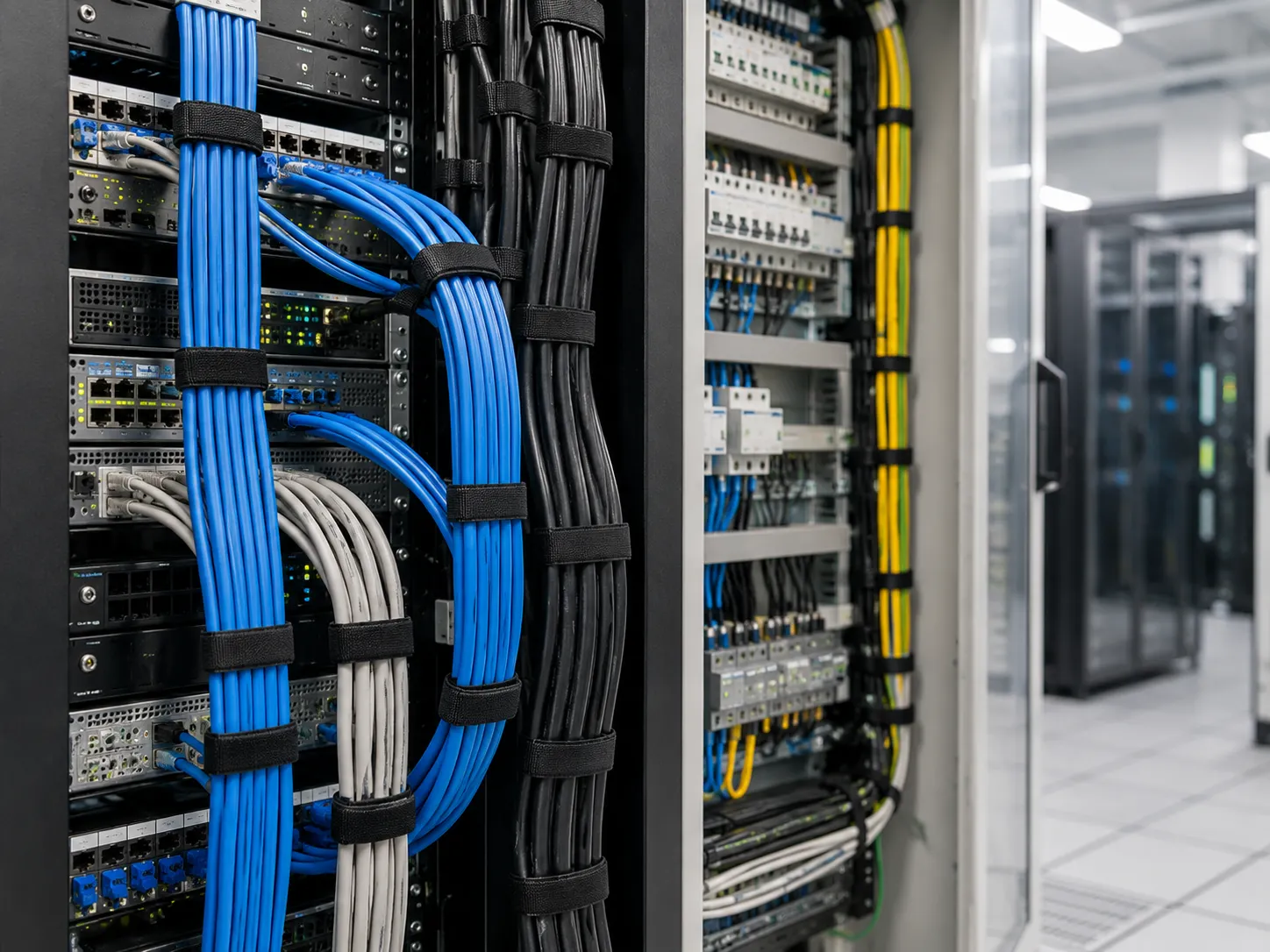
On machinery and control cabinets, hook and loop secures cable bundles, temporary sensor routing and removable guarding where operators need frequent access. It reduces sharp edges from zip ties in some hand-intensive workflows and allows reconfiguration when production lines change. Industrial buyers should still specify flame retardancy, chemical exposure and whether adhesive or sew-on attachment fits the enclosure material.
Cable management with hook and loop must address peel versus shear loading: bundles pull differently than flat panel closures. Wider tape, proper orientation of hook and loop halves and occasional mechanical backup on heavy harnesses prevent slow migration under vibration. Bondix-backed tape on painted steel may outperform sew-on on metal enclosures, while textile braided sleeves often use Suregrip or Gripnex sewn closures.
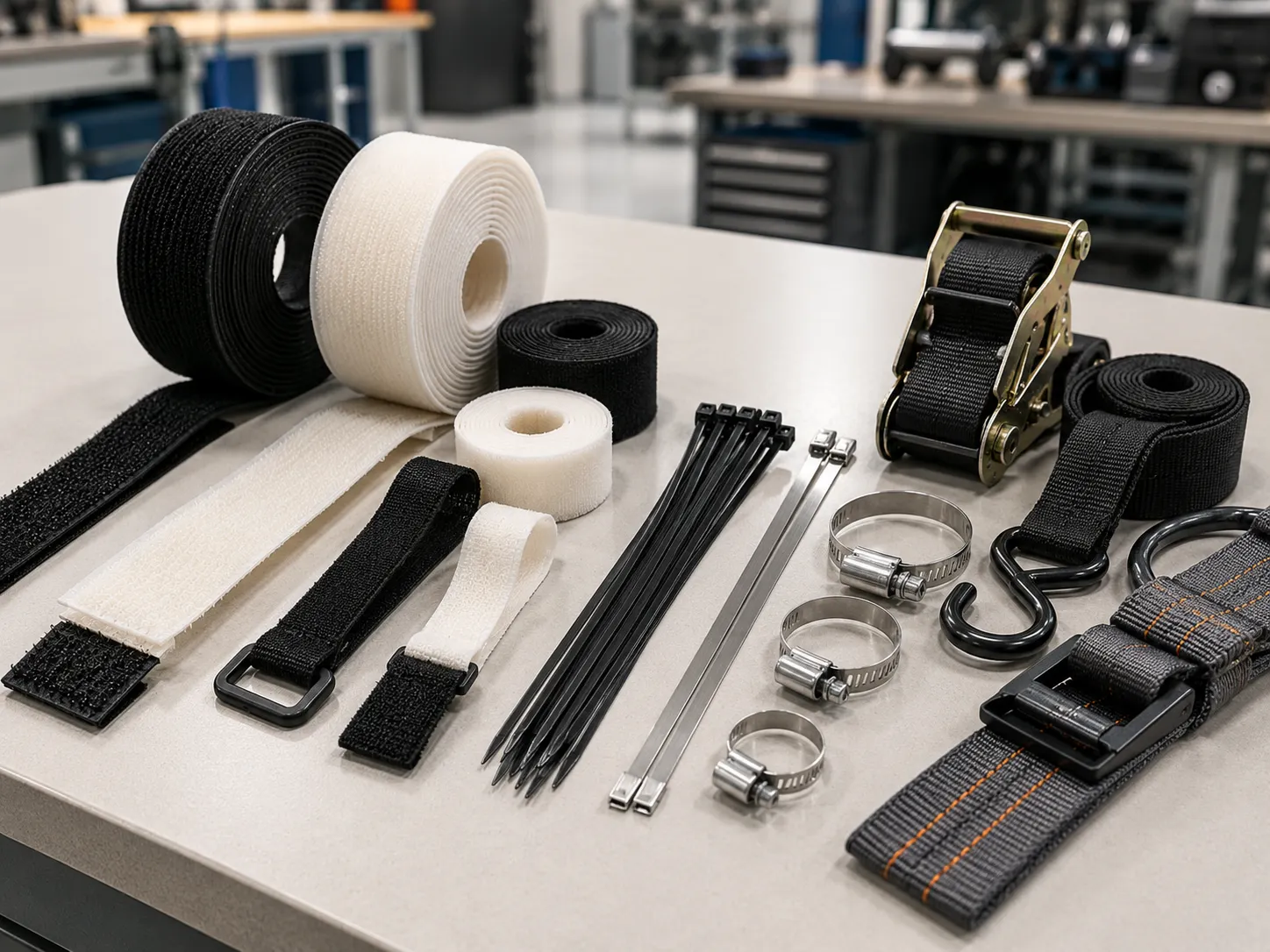
Traditional mechanical fasteners
Hook and loop (industrial grade)
Drilling, inserts, torque tools, permanent deformation of substrates.
Peel-and-stick or sew-on application; repositionable during prototype and some field service.
Often requires new hardware or leaves worn holes after repeated access.
Reclosable cycles without new consumables; reduces hole fatigue on thin panels.
Metal hardware adds mass across hundreds of attachment points.
Lightweight textile closure; meaningful on aerospace and EV range-sensitive programs.
Snaps and screws can rattle if tolerances loosen.
Textile engagement can dampen micro-movement when specified correctly.
Structural joints, high vibration loads, extreme temperature.
Service panels, interior trim, cable routing, temporary fixturing, adjustable shims.
Advantages over traditional fasteners in industrial BOMs
Hook and loop shortens assembly time when operators can position closures by hand without tool queues. It improves ergonomics on large surface panels where aligning dozens of screws slows the line. For products with seasonal variants, reusable closures speed line changeovers when only trim or sub-panels swap.
Design for disassembly trends in EU and corporate sustainability programs favor fasteners that allow component recovery. Hook and loop on non-structural covers supports that goal. Procurement should still model lifetime cycles: a closure opened once a year for ten years has different needs than daily field access on rental equipment.
Cost justification should include warranty returns avoided by cleaner service access and reduced panel damage during maintenance. When comparing Bondix against screws on a painted enclosure, include paint repair savings from eliminated mis-drills during prototype builds—a hidden cost mechanical BOMs often underestimate.
Reusable fastening: specifying cycles and engagement
Industrial specifications should state expected cycle count, environment, substrate and whether the closure is primary or backup retention. Gripnex sew-on or textile zones suit higher cycles on textile-facing service flaps; Bondix adhesive systems suit rigid panels when substrate and cleaning chemistry are controlled.
Suregrip provides a middle ground on mixed-material assemblies where some zones see moderate handling. Testing must include temperature shock, solvent wipe protocols and dust exposure representative of the factory and field—not only laboratory peel on new panels.
Common mistakes when adopting hook and loop industrially
Teams sometimes specify consumer-grade tape on industrial environments and conclude hook and loop cannot work. The failure is grade selection, not the fastening principle. Bondix and high-cycle textile grades exist precisely for hotter, dirtier or higher-load contexts when the brief is complete.
Another mistake is ignoring substrate preparation on adhesive applications. Oily mill scale, mold release or waxed paint systems destroy bond confidence. Document wipe chemistry and dwell time the same way torque specs are documented for screws.
Using hook and loop as the sole restraint on heavy vibrating loads without mechanical backup is a design error. The correct pattern is often hook and loop for primary human access plus a locator pin or snap for load sharing—especially on overhead panels.
Industry examples: automotive lines, MRO and OEM enclosures
Automotive tier suppliers: Bondix on temporary routing brackets during harness build, combined with Gripnex on removable felt covers that technicians service quarterly. Specification includes temperature logging during oven cycles.
Industrial OEM enclosures: Painted cabinets use Bondix on hinged inspection doors with Suregrip on internal textile cable sleeves. Procurement aligns adhesive tape choice with the adhesive selection guide while textile sections reference material blend documentation.
MRO and rental equipment: Field teams carry slit Gripnex or Suregrip tape rolls to re-close panels after service, avoiding drill repairs in the field. Cycle requirements are lower but dust and humidity drive grade choice and width.
Platform BOM strategy across product generations
Industrial OEMs managing platform architectures should treat hook and loop as a revision-controlled component with defined alternates. Platform teams document which panels use Bondix adhesive versus Gripnex or Suregrip textile zones so mid-cycle refreshes do not accidentally downgrade a service flap to consumer-grade tape. Revision control also captures substrate paint changes that can invalidate prior adhesive approvals without obvious visual cues.
When migrating from screws to hook and loop, phase validation by panel criticality: start with low-risk inspection doors before adopting on customer-visible trim. Collect warranty data for two model years before expanding to additional zones. Procurement can then negotiate volume on Bondix and textile grades with forecast confidence instead of one-off experimental lots.
Cross-functional reviews should include manufacturing, service, quality and sustainability stakeholders. A closure that saves assembly time but complicates recycling separation may still be correct—but only if documented as a conscious trade.
Sustainability narratives and field service economics
Corporate sustainability reports increasingly mention design for disassembly. Reusable hook and loop supports removal of interior modules without destroying substrates, which can improve recoverability scores for equipment and vehicle programs. The narrative is strongest when backed by cycle test data and service manuals that instruct technicians to reuse closures rather than cut them off.
Field service economics often favor hook and loop when truck rolls carry slit Gripnex or Suregrip instead of drill kits. Estimate labor minutes saved per service event and multiply by fleet size; the trim cost can be trivial compared with technician time, especially for rental equipment maintained in dusty outdoor depots.
Adhesive industrial closures using Bondix still require surface prep discipline in the field. Service bulletins should list approved wipe solvents and replacement tape SKUs so technicians do not use hardware-store alternatives that fail UL or OEM audits.
Supply continuity and digital specification handoff
Industrial buyers should store hook and loop specifications in PLM or ERP attachments—not only in email threads. Digital handoff reduces errors when secondary suppliers quote programs or when contract manufacturers in other regions onboard. Include substrate diagrams, cycle targets, approved widths and explicit Walonium grade names to avoid ambiguous descriptions like generic hook and loop.
Supply continuity planning should identify dual-width strategies: stocking two slit widths that cover most panels reduces obsolescence risk if one width faces temporary slit backlog. For adhesive programs, monitor shelf life and storage temperature in warehouses; rubber and acrylic systems behave differently when inventory ages past recommended rotation.
Link internal training to Knowledge Center articles on adhesive selection and textile blends so new engineers inherit consistent vocabulary. Shared language between sourcing offices and overseas OEM plants prevents mismatched expectations on what revolutionized fastening means in practice—not marketing hype, but measured assembly and service benefit.
Future trends: lighter platforms, faster service and hybrid retention
Electrified vehicle and compact equipment trends reward lighter interior architectures. Hook and loop contributes marginal grams savings per closure versus metal hardware, which accumulates across hundreds of attachment points. Aerospace and rail programs apply similar thinking on serviceable textile surrounds and cable organization in weight-sensitive zones.
Hybrid retention—hook and loop plus locator pins, snap backups or elastic keepers—will remain common on high-vibration applications. Procurement should quote hybrid designs as systems, not isolated tape lines, when comparing against traditional fastener BOM cost.
Expect more OEM audits requesting cycle data and substance compliance for trim tiers previously treated as minor. Suppliers who document Bondix, Gripnex and Suregrip consistently will face fewer emergency line stoppages when platforms scale globally.
Implementation roadmap for procurement and engineering
Roll out industrial hook and loop in four gated steps: substrate audit, short-list grades (Bondix, Gripnex, Suregrip), pilot build with vibration and temperature logging, then platform BOM release with service manual updates. Skipping the pilot build is how programs inherit field complaints that could have been caught on one validation line.
Procurement should bundle forecast volumes by grade for twelve months once engineering signs the pilot. Suppliers can then schedule slit and adhesive coating campaigns efficiently, which stabilizes lead time on export equipment programs. Pair this roadmap with internal links to the B2B textile guide when the same OEM also runs soft-goods service kits alongside metal enclosures.
Finally, define KPIs: assembly seconds saved per panel, warranty claims on closures, and engagement retention after environmental aging. When KPIs beat mechanical baselines, expand hook and loop to additional zones with confidence; when KPIs lag, adjust width, grade or hybrid backup instead of abandoning reusable fastening entirely.
Document every approved Bondix, Gripnex and Suregrip SKU in the same PLM revision as the panel drawing so contract manufacturers never guess which reusable fastener belongs on a service door versus a textile cable sleeve.
Treat those SKU rules as mandatory for every new platform derivative and export variant.
Key takeaways
Hook and loop is revolutionizing industrial assemblies where reusable access, lighter weight and faster service matter more than maximum single-point structural load. Bondix adhesive grades address rigid panel needs; Gripnex and Suregrip cover textile and moderate-cycle zones.
Successful adoption requires substrate-aware specifications, vibration-aware testing and honest cycle targets—not swapping screws for tape without engineering review. Use Knowledge Center comparisons and sample validation on real panels before locking export or platform BOMs.
FAQ
Why are industrial OEMs replacing some traditional fasteners with hook and loop?
Hook and loop enables reusable service access, faster assembly, lighter weight and less substrate damage compared with repeated screw or snap cycles. It is especially valuable on interior panels, cable routing and maintainable covers where loads are moderate and human access is frequent.
Where is hook and loop used in automotive and aerospace?
Applications include headliner and trim access, harness routing aids, removable felt or textile covers, seat service points and maintenance panels. Specifications must address temperature, humidity, cleaning chemistry and traceability requirements for regulated sectors.
How does Bondix fit industrial adhesive applications?
Bondix is Walonium's industrial-grade adhesive hook and loop for painted metals, panels and equipment substrates where acrylic adhesive performance and peel strength matter more than general-purpose rubber adhesive systems.
When should industrial designs use Gripnex or Suregrip instead of adhesive tape?
Use Gripnex or Suregrip on textile flaps, cable sleeves and composite zones where sewing is practical and adhesive residue or breathability would be a problem. Gripnex suits higher cycles; Suregrip suits balanced moderate-cycle closures.
What are advantages of reusable fastening over screws and snaps?
Reusable hook and loop reduces hardware count, eliminates re-drilling during service, supports quieter NVH performance on some panels and simplifies disassembly for sustainability programs. It can lower warranty labor when technicians reopen closures repeatedly.
Can hook and loop hold cables in industrial environments?
Yes, when width, engagement and orientation match shear and vibration loads. Heavy bundles may need wider tape or hybrid retention with mechanical anchors. Dusty or oily environments require grade and adhesive choices validated on real harness samples.
What testing should procurement require before platform approval?
Require peel and shear testing on production substrates, vibration or transport simulation where relevant, temperature cycling and cleaning protocol exposure. Define acceptable engagement loss over stated cycle counts.
How do industrial buyers avoid common hook and loop failures?
Avoid consumer-grade tape, document surface prep, add mechanical backup on high vibration loads and specify Bondix, Gripnex or Suregrip intentionally rather than defaulting to the lowest-cost unknown supplier grade.